Natural Low Smoke Incense for Clean Living, Non Toxic, Phthalate Free, Aromatherapy, Wholesale, Premium Buyers
Heavy smoke, sharp synthetic perfume, and unclear ingredient labels no longer fit the way many people want their homes to feel. The modern home fragrance buyer wants calm, but not at the cost of comfort, indoor air quality, or ingredient transparency.
That change is reshaping the incense category. Natural low smoke incense is moving from a niche wellness product to a serious retail and wholesale opportunity. Consumers now search for clean living incense, non toxic incense, phthalate free incense, natural aromatherapy incense, premium incense sticks, botanical incense, and chemical-free incense alternatives with far more care than before.
For wholesale distributors, importers, retail buyers, wellness stores, spa suppliers, and lifestyle brands, this shift matters. Stocking incense is no longer only about scent variety and price. It is about proof, trust, formulation, compliance, and the ability to serve customers who read labels before they buy.
Clean home fragrance is now a buying priority
The home fragrance market used to focus mainly on mood. A product needed to smell pleasant, look attractive, and match the room. That still matters, but the modern buyer asks sharper questions.
What is burning?
Is the scent natural or synthetic?
Does it produce heavy smoke?
Does it contain phthalates, artificial colour, synthetic dipping oils, or petroleum-derived solvents?
Can it be used during yoga, meditation, prayer, spa rituals, or evening relaxation without feeling overwhelming?
This is where low smoke incense has gained ground. A lighter burn can create a softer atmosphere, especially in smaller flats, wellness studios, boutique hotels, spas, and retail spaces. The goal is not to remove smoke completely, because incense is still a burning product. The goal is to reduce harshness and avoid the thick, lingering smoke that many consumers now reject.
Indoor air quality has become part of everyday wellness language. Public resources such as the U.S. Environmental Protection Agency guide to indoor air quality have helped many consumers understand that air inside the home matters. Buyers may not know the chemistry behind every fragrance ingredient, but they understand irritation, headaches, heavy smoke, and overpowering artificial perfume.
That awareness has created demand for:
Natural incense sticks
Low smoke incense cones
Non toxic home fragrance
Phthalate free aromatherapy products
Essential oil incense
Plant-based incense
Herbal incense
Botanical resin incense
Clean burning incense
Premium wellness incense
For retailers, these are not just SEO keywords. They reflect real purchase intent. A shopper searching for non toxic incense sticks often wants reassurance before placing an order. A buyer looking for wholesale phthalate free incense usually wants documentation, consistent supply, and packaging that supports clean living claims.
Natural formulations are replacing synthetic dipped incense
Traditional incense can be made in many ways. Some premium incense uses powdered woods, gums, resins, herbs, flower powders, natural binders, and essential oils. Other mass-market incense may use a blank stick dipped into synthetic fragrance oils, colourants, and solvents.
The difference matters because fragrance quality is not only about strength. It is also about how the aroma behaves when burned.
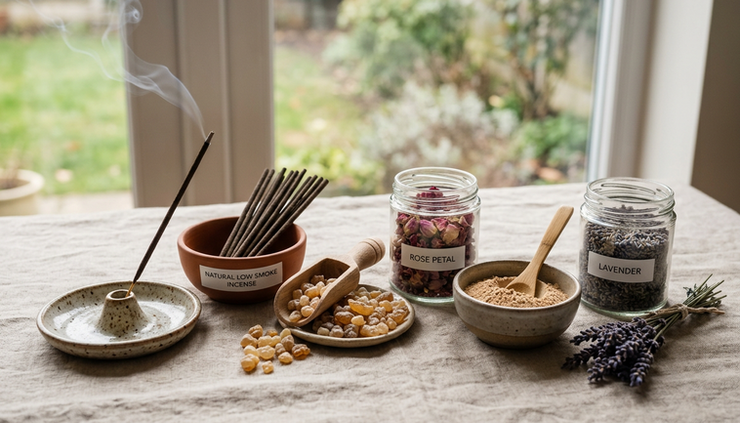
Premium natural incense tends to smell layered and softer. Sandalwood may feel creamy and warm. Frankincense can smell resinous and clean. Rose powder gives a gentle floral note. Lavender can support a calm bedtime ritual. Patchouli, vetiver, cedarwood, agarwood, cinnamon, clove, jasmine, lotus, and champa can all create distinctive blends when used with skill.
By contrast, low-quality dipped incense can smell loud before burning and harsh after lighting. It may appeal at first because the cold fragrance is strong, but many wellness-focused buyers now associate that intensity with artificial scent.
A strong natural incense range often includes ingredients such as:
Botanical resins such as frankincense, myrrh, benzoin, and copal
Pure flower powders such as rose, jasmine, lotus, lavender, and marigold
Natural wood powders such as sandalwood, cedarwood, pine, and agarwood
Herbal powders such as sage, tulsi, patchouli leaves, vetiver root, and lemongrass
Natural essential oils such as lavender oil, orange oil, eucalyptus oil, cedarwood oil, and ylang-ylang oil
Plant-based binders that help the stick burn evenly
The best producers also pay attention to the base material. A beautiful essential oil blend cannot fix poor charcoal, low-grade binder, or an uneven burn. Good incense should light easily, burn steadily, and leave a balanced aroma rather than a smoky after-smell.

The phrase chemical-free incense is common in consumer searches, but accurate brands should use it carefully. Everything physical is made of chemicals, including plants and essential oils. A better claim is more specific: free from phthalates, free from synthetic fragrance oils, no artificial dipping solvents, no synthetic colourants, or made with natural botanical ingredients.
Specific claims build more trust than broad claims.
Phthalate free and non toxic claims need proof
Clean-label language can help sales, but it also invites scrutiny. A buyer in North America or Western Europe may ask for product data, ingredient clarity, allergen information, safety details, and compliance support before listing an incense line.
That is especially true for wholesale incense suppliers serving multiple regions. Regulations can vary by country, and market expectations are rising. In the European market, buyers often look at frameworks such as REACH guidance from the European Chemicals Agency. Fragrance safety standards and responsible ingredient use are also shaped by organisations such as the International Fragrance Association.
This does not mean every small incense maker needs to sound like a laboratory. It does mean that importers and retailers need clear answers.
Useful documentation may include:
Full ingredient direction, at least by material category
Confirmation that products are phthalate free
Confirmation that products do not use synthetic dipping oils, if claimed
Safety guidance for burning incense
Allergen-related information where relevant
Batch consistency records
Packaging material details
Country of origin
Shelf life guidance
Lab testing where required by the buyer or market
A smart label should avoid vague overpromising. Incense involves combustion, so no responsible brand should suggest that burning any incense improves air quality. Better wording focuses on formulation and experience:
Better claim
Made with botanical powders, natural resins, and essential oils for a softer, low-smoke aromatic experience.
Risky claim
Purifies the air and is completely safe for everyone.
The second claim can create problems because it sounds medical and absolute. The first claim is clear, product-specific, and easier to support.
For wellness buyers, proof is part of the product. If a retailer can confidently explain that a range is phthalate free, low smoke, naturally scented, and not made with synthetic dipped fragrance, the product becomes easier to recommend.
Wholesale buyers should choose incense like a long-term category
A wholesale incense buyer has different needs from a casual shopper. Scent still matters, but so do repeat orders, packaging strength, regulatory confidence, stock movement, margins, and brand fit.
The best premium incense wholesale ranges usually perform well across three areas: formulation, presentation, and reliability.
What to review | Why it matters |
Ingredient base | Supports clean living, non toxic, and natural incense positioning |
Smoke level | Helps serve customers who want a gentler indoor fragrance |
Scent profile | Affects repeat purchases and customer loyalty |
Burn quality | Signals craftsmanship and reduces complaints |
Packaging | Protects aroma, prevents breakage, and supports gifting |
Documentation | Builds trust with importers, retailers, and compliance teams |
Batch consistency | Keeps bestselling scents reliable across seasons |
Minimum order quantity | Affects cash flow and stock planning |
Scent architecture also matters. A strong range should not consist only of sweet florals or only woody notes. Retail shelves need a balanced mix.
A useful premium incense collection may include:
Sandalwood incense for meditation, prayer, and daily calm
Frankincense incense for resin lovers and spiritual spaces
Lavender incense for evening relaxation
Rose incense for floral gifting and boutique retail
Patchouli incense for earthy, bohemian, and wellness stores
Cedarwood incense for clean, woody home fragrance
Jasmine incense for rich floral aroma
Lemongrass incense for fresh, uplifting spaces
Vetiver incense for grounded, smoky-earthy blends
Champa incense for classic incense buyers

For exporters and distributors, packaging should match the promise. If a product claims clean living incense, the pack should avoid visual clutter and exaggerated claims. Clear ingredient language, scent notes, burn time guidance, and safety instructions can create a premium feel without looking cold or clinical.
Safety instructions should be visible and practical:
Burn incense in a well-ventilated space
Keep away from curtains, papers, and flammable materials
Use a heat-safe incense holder
Never leave burning incense unattended
Keep away from children and pets
Extinguish fully after use
These lines may seem basic, but they matter for retail trust. They also show that the brand understands responsible home fragrance use.
Clean incense branding works best when it is honest
Consumers are tired of vague wellness language. Words such as natural, pure, premium, eco-friendly, and non toxic can help, but only when the product supports them.
Honest branding explains what makes the incense different. For example:
Natural aromatherapy incense
Uses plant-derived aromatic materials and essential oils to create a scent experience linked to relaxation rituals.
Low smoke incense sticks
Designed to burn with a lighter smoke profile than heavier traditional sticks, while still producing fragrance through combustion.
Phthalate free incense
Made without phthalates commonly used in some fragrance applications.
Botanical incense
Made with plant powders, resins, herbs, woods, flowers, and natural oils.
Premium incense
Built around better raw materials, careful blending, steady burn quality, and thoughtful packaging.
These descriptions are simple, but they help shoppers understand the value. They also support online search. A product page that naturally includes natural incense wholesale, low smoke incense supplier, phthalate free home fragrance, non toxic aromatherapy incense, essential oil incense sticks, and premium botanical incense has a better chance of matching buyer intent than a page that only says “nice fragrance sticks.”
Retailers can also group products by use:
Meditation incense
Yoga incense
Spa incense
Prayer incense
Relaxation incense
Sleep ritual incense
Luxury home fragrance incense
Clean living home fragrance
Gifting incense sets
This makes the category easier to shop. A customer may not know whether they want benzoin, vetiver, or sandalwood. They do know they want a calmer bedroom, a cleaner-feeling living room, or a thoughtful wellness gift.

The future of incense belongs to transparent makers
The incense industry is not moving away from tradition. It is returning to the parts of tradition that modern shoppers value most: plants, resins, flowers, woods, careful handcraft, and meaningful rituals.
What is changing is the tolerance for unclear ingredients and harsh synthetic scent. Buyers want natural low smoke incense, clean burning incense, phthalate free incense sticks, non toxic home fragrance, premium aromatherapy incense, and wholesale incense that can stand up to questions.
For distributors and retailers, the path is clear. Choose products with transparent formulas, responsible claims, steady quality, and scents that feel good in real homes. Clean fragrance is no longer a side category. It is becoming the standard for brands that want long-term trust.


Comments