Regional Incense Trends Wholesale Sandalwood Exporter Guide for Retailers

Incense no longer sits in one narrow corner of the store. It appears in yoga studios, wellness boutiques, concept stores, temple supply shops, gifting ranges, spa shelves, and home fragrance aisles. That wider demand is good news for retailers, but it also makes selection harder.
A sandalwood stick that sells well in Kyoto may feel too traditional for a boutique in Toronto. A smoky resin blend that works for a meditation studio in Berlin may not suit a clean, low-smoke wellness shelf in Singapore. Fragrance preferences shift by region, culture, season, and store format.
That is where a wholesale sandalwood incense exporter plays a key role. The best exporters do more than ship cartons. They read fragrance trends, understand regional buying habits, advise on formats, and help retailers build assortments that feel local, balanced, and commercially strong.

Regional fragrance preferences shape incense sales
Incense is deeply sensory, but buying behaviour is also cultural. A retailer choosing scents for a new market needs to understand what customers expect when they smell sandalwood, jasmine, rose, oud, patchouli, frankincense, or lavender.
Regional Incense Trends Wholesale Sandalwood Exporter Guide for Retailers is not only about choosing bestsellers. It is about matching scent identity with local habits.
North America favours wellness, clean comfort, and seasonal variety
In North America, incense often sits close to wellness, home fragrance, and lifestyle gifting. Customers may buy incense for meditation, yoga, relaxation, or simply for a warmer home atmosphere.
Popular directions include:
Sandalwood with vanilla, amber, or cedar
These blends feel soft, comforting, and familiar.
Lavender, sage, eucalyptus, and palo santo style profiles
These are often linked with cleansing rituals, calm spaces, and wellness routines.
Nag champa and patchouli
These still have strong recognition in spiritual, music, and alternative lifestyle stores.
Seasonal blends
Cinnamon, clove, pine, orange, and resinous notes can perform well around autumn and winter gifting periods.
Many North American shoppers also look for clear packaging claims. Retailers often ask about natural ingredients, handmade sticks, low-smoke options, cruelty-free positioning, and recyclable packaging. Exporters that can explain the base, fragrance type, burn time, and scent intensity in simple terms gain an advantage.
Europe leans towards refinement, tradition, and ingredient clarity
European incense buying is diverse. Southern Europe may show appetite for resinous, church-inspired notes such as frankincense and myrrh. Northern and Western Europe often favour cleaner, softer, herbaceous, and woody compositions.
Common preferences include:
Sandalwood, cedarwood, vetiver, and patchouli
Frankincense, myrrh, benzoin, and labdanum style accords
Lavender, rosemary, thyme, and other herbal notes
Subtle florals such as rose, orange blossom, and iris-inspired blends
European retailers often pay close attention to product compliance, labelling, provenance, and smoke level. A heavy, sweet incense may sell in niche spiritual stores, while design-led lifestyle shops may prefer dry woods, herbs, and minimalist fragrance names.
For exporters, Europe rewards discipline. Overly loud assortments can feel dated in certain retail settings. Balanced masala sticks, elegant packaging, and transparent product information can help build long-term wholesale relationships.
Asia blends ritual use with modern lifestyle demand
Asia has both deep incense traditions and fast-growing modern fragrance markets. Demand differs widely across India, Japan, China, Southeast Asia, and the Middle East, so exporters should avoid treating Asia as one single taste profile.
Across many Asian markets, incense may serve religious, cultural, household, and lifestyle purposes. Customers often understand incense quality more deeply because the category is familiar.
Broad trends include:
India
Rich florals, sandalwood, rose, mogra, jasmine, champa, and masala agarbatti remain popular. Temple, puja, and daily home use drive repeat demand.
Japan
Subtle, refined woods, aloeswood, sandalwood, green tea style notes, and low-smoke products have strong appeal.
Southeast Asia
Customers may look for temple-grade incense, floral blends, oud-inspired scents, and products suited for both ritual and home ambience.
Middle Eastern markets
Oud, bakhoor-inspired notes, amber, musk, rose, and deep woody blends often perform well.
A strong exporter studies usage occasion first. Is the incense for prayer, hospitality, meditation, home fragrance, gifting, or luxury ritual? The answer shapes the right fragrance strength, burn time, stick thickness, packaging size, and price point.

Sandalwood remains the anchor scent in global assortments
Sandalwood has rare cross-market appeal. It can feel sacred, calming, luxurious, earthy, clean, or nostalgic depending on how it is blended. This makes it one of the safest anchor fragrances for retailers.
A wholesale sandalwood incense exporter can help retailers use sandalwood in several ways:
Retail role | Suitable sandalwood direction | Best-fit store type |
Entry bestseller | Classic creamy sandalwood | General retailers, gift shops |
Meditation aid | Sandalwood with frankincense or vetiver | Yoga studios, wellness centres |
Premium line | Mysore-style sandalwood accord with resins | Boutique fragrance stores |
Modern home scent | Sandalwood with cedar, amber, or vanilla | Lifestyle and décor retailers |
Ritual range | Sandalwood with rose, jasmine, or champa | Temple supply and spiritual shops |
Sandalwood also blends well across price tiers. A retailer can stock an everyday sandalwood stick, a richer masala version, and a premium gift pack without confusing customers. The scent remains recognisable, while the format and finish create clear buying choices.
Yoga studios and wellness retailers need softer, purposeful scents
Yoga studios and wellness retailers rarely need the loudest incense in the catalogue. Their customers usually want atmosphere without sensory overload. The scent must support breathing, movement, rest, and focus.
Better-performing profiles for this channel often include:
Sandalwood and lavender for relaxation
Sandalwood and frankincense for meditation
Palo santo style woody blends for cleansing rituals
Cedarwood and vetiver for grounding
Rose and sandalwood for restorative classes
Lemongrass or eucalyptus for fresh morning sessions
White sage style blends for spiritual wellness ranges
Wellness shelves also benefit from clear scent families. Instead of placing 30 unrelated fragrances together, retailers can group them by purpose:
Calm
Lavender, sandalwood, rose
Ground
Patchouli, amber, oud
Focus
Frankincense, cedar, vetiver
Restore
Jasmine, champa, vanilla
Cleanse
Sage, eucalyptus, palo santo style woods
Ritual
Myrrh, resin, temple sandalwood
This helps customers buy with confidence. It also helps staff recommend scents without memorizing complex fragrance pyramids.
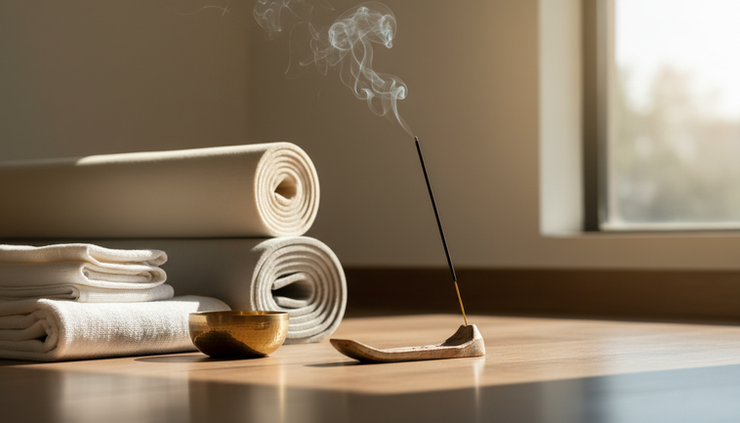
For studios, the practical details matter as much as the aroma. Sticks should burn evenly, produce manageable smoke, and leave a pleasant dry-down after class. Overly perfumed charcoal sticks may feel sharp in enclosed yoga rooms. Softer masala or low-smoke styles often work better.
Traditional masala agarbatti and charcoal sticks serve different buyers
Retailers often ask whether masala agarbatti or charcoal-based incense is better. The answer depends on the customer, price point, and scent goal.
Traditional masala agarbatti offers depth and a natural feel
Masala agarbatti is made by blending aromatic powders, resins, herbs, woods, oils, and binders into a paste, then rolling it onto bamboo sticks. Quality varies by maker, but good masala incense has a layered aroma. The scent develops as the stick burns, rather than smelling flat from start to finish.
Key benefits include:
Richer, more rounded fragrance
Strong appeal in spiritual and wellness categories
Better story for handmade and traditional ranges
Good fit for sandalwood, champa, rose, resin, and temple blends
Often perceived as more authentic by experienced incense buyers
Masala sticks are especially useful when the retailer wants character. A premium sandalwood masala agarbatti can become a signature product because it feels distinctive and memorable.
Charcoal-based sticks deliver consistency and strong fragrance throw
Charcoal-based incense usually uses a charcoal or black base that absorbs fragrance oil. It can deliver a clear, direct scent and consistent production at scale.
Benefits include:
Strong fragrance throw
Wide range of scent options
Often lower cost for mass-market lines
Good consistency across batches
Suitable for modern perfumed blends
Charcoal sticks can work well in gift packs, high-volume retail, and markets where customers expect bold fragrance. Yet they may feel smokier or less nuanced than masala varieties, especially in small rooms.
A sensible retail range does not need to choose only one. It can use charcoal-based sticks for accessible, colourful, high-turnover scents and masala agarbatti for premium, ritual, and wellness-led offerings.
Retailers need a starter kit that sells across moods and occasions
A high-performing fragrance starter kit should feel complete without becoming crowded. Too many scents slow down buying. Too few make the shelf look weak.
For most retailers, a starting assortment of 8 to 12 fragrances is easier to manage. It should include familiar anchors, wellness favourites, one or two adventurous choices, and a clear premium option.
A balanced starter kit might include:
Classic sandalwood
The anchor scent. Suitable for nearly every market.
Nag champa or champa sandalwood
Recognisable, spiritual, and strong for repeat buying.
Lavender sandalwood
Useful for yoga, sleep, and calm-focused retail.
Frankincense and myrrh
Strong for meditation, ritual, and European-inspired assortments.
Rose or rose sandalwood
Works well for gifting, puja, and soft floral buyers.
Jasmine or mogra
A familiar floral in Asian markets and a sensorial option elsewhere.
Cedarwood or vetiver
Dry, grounding, and modern.
Patchouli amber
Rich, warm, and appealing to alternative lifestyle stores.
Oud or amber oud style
Best for premium or Middle Eastern influenced ranges.
10. Fresh herbal scent
Eucalyptus, lemongrass, or sage style blends can broaden the shelf.
Retailers should test assortments by tracking repeat purchases, not only first-month sales. Strong packaging may attract trial, but a good incense range earns repeat customers through burn quality, after-scent, and emotional fit.
Exporters can support this by offering regional starter kits. For example, a North America kit may include lavender, sage, cedar, sandalwood, and palo santo style blends. A Europe kit may lean into sandalwood, frankincense, myrrh, vetiver, and herbal notes. An Asia kit may include sandalwood, rose, jasmine, champa, oud, and temple masala blends.

Exporters add value when they tailor assortments by market
The strongest exporters act like fragrance partners. They help retailers avoid guesswork and build ranges that match local habits, store identity, and customer expectations.
That support can include:
Market-wise fragrance recommendations
Masala and charcoal format guidance
Trial packs for buyer sampling
Seasonal gift assortments
Yoga and wellness specific collections
Clear burn time and ingredient information
Private label or custom packaging support where suitable
Stable supply for repeat orders
For sandalwood-led ranges, consistency is especially important. Customers notice when a favourite scent changes. Exporters should maintain fragrance profiles carefully and communicate clearly if raw material or formulation changes affect the final aroma.
A tailored assortment also gives retailers a stronger story. Instead of placing random incense boxes on a shelf, they can offer “calm rituals”, “classic Indian masala”, “woody meditation”, or “premium sandalwood” collections. That makes the range easier to shop and easier to reorder.
The incense market rewards sensitivity. Regional tastes matter. Store type matters. Format matters. A sandalwood incense that feels perfect in a wellness boutique may need a richer, more traditional profile for ritual use or a cleaner blend for a modern lifestyle store.
Exporters that study these differences can help retailers build fragrance ranges with purpose. Start with sandalwood as the anchor, add regional favourites, balance masala depth with charcoal consistency, and keep the first assortment focused. Then refine with real sales feedback.
For exporters, the next step is clear: create tailored scent assortments for each market, not one generic catalogue for everyone. Retailers need ranges that feel local, sell steadily, and make customers return for the same beautiful fragrance again.


Comments